

Insights
Quick Summary
This page explains the main trade-offs between the three growth scenarios.
Under current national planning policy, further growth in the neighbourhood area is likely. Local concerns such as traffic and protection of valued landscapes are important, but on their own they are unlikely to stop development. Any growth will bring challenges, but it may also create opportunities. Some pressures, such as impacts on roads and services, appear across all scenarios.
The key differences are about how and where growth happens. Building on all available land could mean faster delivery, but with less local control and greater risk to the rural setting. Expanding existing towns and villages is a more familiar approach, but may still increase pressure on roads and settlement edges. Focusing higher-density development near centres and transport routes offers the strongest chance to support better public transport and protect the wider rural setting, but would require changes in travel habits and community acceptance. Each option involves balancing speed, control, environmental impact, infrastructure delivery and long-term sustainability.



Further Growth
At the present time and under current national policy, the neighbourhood area is in a period where further growth is likely. Whilst local constraints are being consistently highlighted (e.g. valued landscape, traffic congestion etc), these issues alone are unlikely to prevent future development. Any kind of growth will bring challenges but will also present opportunities. Some problems are constant across all possible future scenarios.
Trade-offs
Future trade-offs seem to be centred around:
Scenario 1: Build on all available land
| Theme | Trade-offs |
|---|---|
| Defintion | On land made available by landowners |
| Housing Delivery | Faster and more flexible delivery, but largely driven by landowners and speculative applications rather than local priorities |
| Rural character and Coalescence | Greater risk of encroachment into the shared rural setting and settlement coalescence |
| Transport and traffic | High risk of exceeding highway capacity; unlikely to fund major transport change |
| Infrastructure delivery | Piecemeal contributions; unlikely to support new secondary schools or major health facilities |
| Density and form of development | Lower density, more dispersed development |
| Local influence | Least local control; development likely shaped by borough-wide pressures |
| Overall trade-off | Convenience and speed vs loss of control and higher environmental impact |
Scenario 2: Persistent urbanism
| Theme | Trade-offs |
|---|---|
| Defintion | Growing the most sustainable places |
| Housing Delivery | More predictable growth by extending existing settlements, but still significant in scale |
| Rural character and Coalescence | Less rural encroachment overall, but increased risk of coalescence on settlement edges |
| Transport and traffic | Some targeted upgrades possible, but cumulative traffic impacts likely remain |
| Infrastructure delivery | Moderate infrastructure funding, but delivery may be uncoordinated or delayed |
| Density and form of development | Medium density, suburban extensions |
| Local influence | Some influence locally, but much growth lies outside neighbourhood plan boundaries |
| Overall trade-off | Practical and familiar approach vs ongoing pressure on roads and settlement edges |
Scenario 3: Multi-modal travel push
| Theme | Trade-offs |
|---|---|
| Defintion | Having alternative travel options |
| Housing Delivery | More controlled growth focused in specific locations, but fewer sites available |
| Rural character and Coalescence | Rural setting largely protected, but depends on careful delivery of green corridors |
| Transport and traffic | Strongest potential to reduce car dependency, but requires behaviour change and acceptance of restrictions |
| Infrastructure delivery | Concentrated development improves viability of schools, buses and active travel investment |
| Density and form of development | Higher density clusters close to centres and transport routes |
| Local influence | Greater opportunity to shape outcomes, but requires strong policy and community support |
| Overall trade-off | Long-term sustainability benefits vs short-term disruption and lifestyle change |
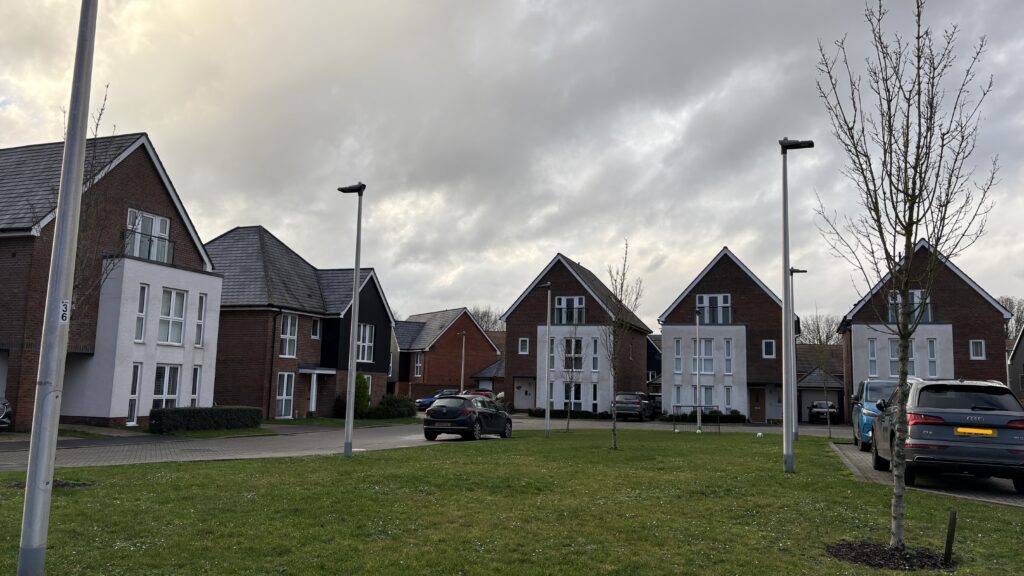
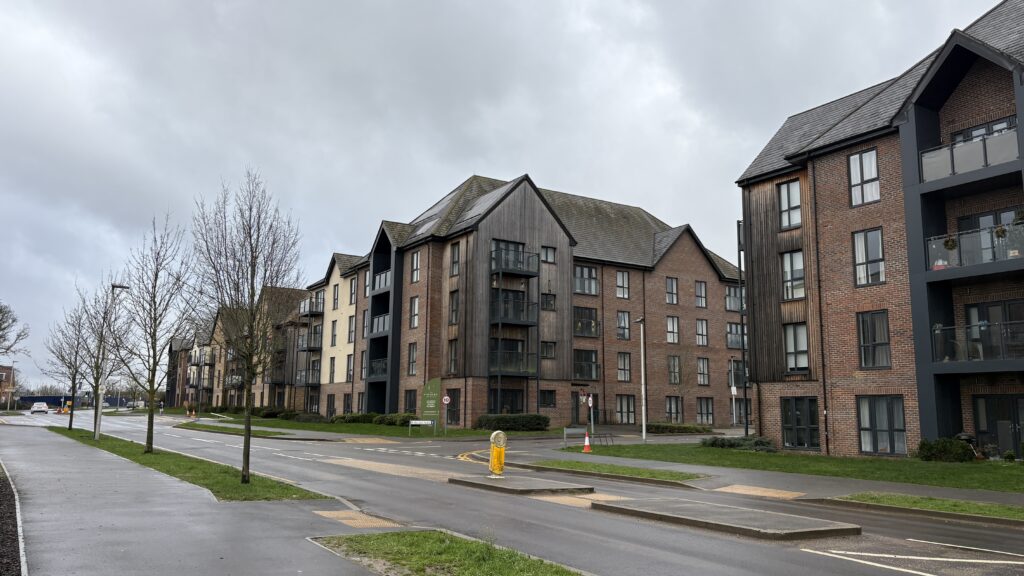
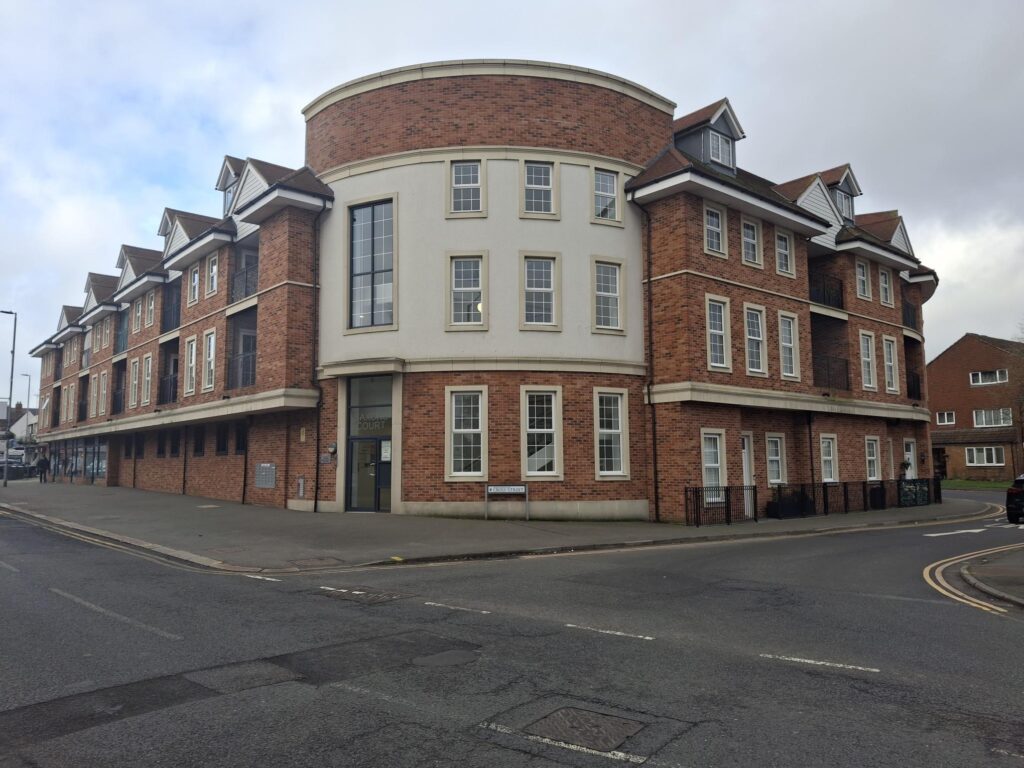
What different densities look like
Example of low density development (up to 30dph):
Example of medium density development (up to 50dph):
Example of high-density development (50dph and above):
The insights identified therefore point to a range of underlying pressures that will influence how the future may unfold.